Picking out the right inertial unit for your motion sensing needs can actually be a pretty big deal — it really affects how well your system performs and how accurate it ends up being. These devices are pretty high-tech, using accelerometers and gyroscopes to sense motion and orientation. That means they’re super important in all sorts of stuff, from robots to virtual reality setups. With technology advancing so fast, though, it can feel kind of overwhelming trying to figure out which inertial unit is best suited for your project.
When you're choosing one, it’s good to keep a few things in mind — like how precise you need it to be, where you’re planning to use it, and what your specific application calls for. Whether you're building an autonomous vehicle or designing a wearable gadget, understanding the different features and what each unit can do will go a long way toward helping you make a smart decision. This guide aims to walk you through the main points and specs to consider, so you can find an inertial unit that really matches your technical needs and project goals. Taking a little time to evaluate all these aspects will help ensure your motion sensing setup works smoothly and accurately, without any awkward surprises along the way.

Understanding Inertial Units: Types and Technologies in Motion Sensing
Inertial units are crucial components in motion sensing applications, offering valuable data for navigation, orientation, and motion tracking. There are several types of inertial units, primarily comprising accelerometers, gyroscopes, and magnetometers. Accelerometers measure changes in velocity, allowing for the detection of movement and tilt in various directions. Gyroscopes, on the other hand, track rotational motion, providing information about changes in orientation over time. When combined, these sensors create a comprehensive motion profile that enhances accuracy in applications ranging from consumer electronics to aerospace systems.
The technology behind these inertial units has significantly evolved, resulting in advanced integrated solutions known as Inertial Measurement Units (IMUs). IMUs combine accelerometers, gyroscopes, and sometimes magnetometers into a single device, streamlining data collection and processing. Companies deploying motion sensing technologies must consider factors such as accuracy, range, and sensitivity when selecting an inertial unit. Furthermore, the choice between a standalone sensor and an IMU depends on the specific requirements of the application, such as size constraints or operational environments, making it crucial to understand the strengths and limitations of each technology before making a decision.
Choosing the Right Inertial Unit for Motion Sensing
This chart illustrates the performance characteristics of different types of inertial units commonly used in motion sensing applications. The data provided includes metrics for accuracy, range, and response time, which are critical factors when selecting the appropriate inertial unit based on your specific needs.
Key Specifications to Consider When Selecting an Inertial Unit
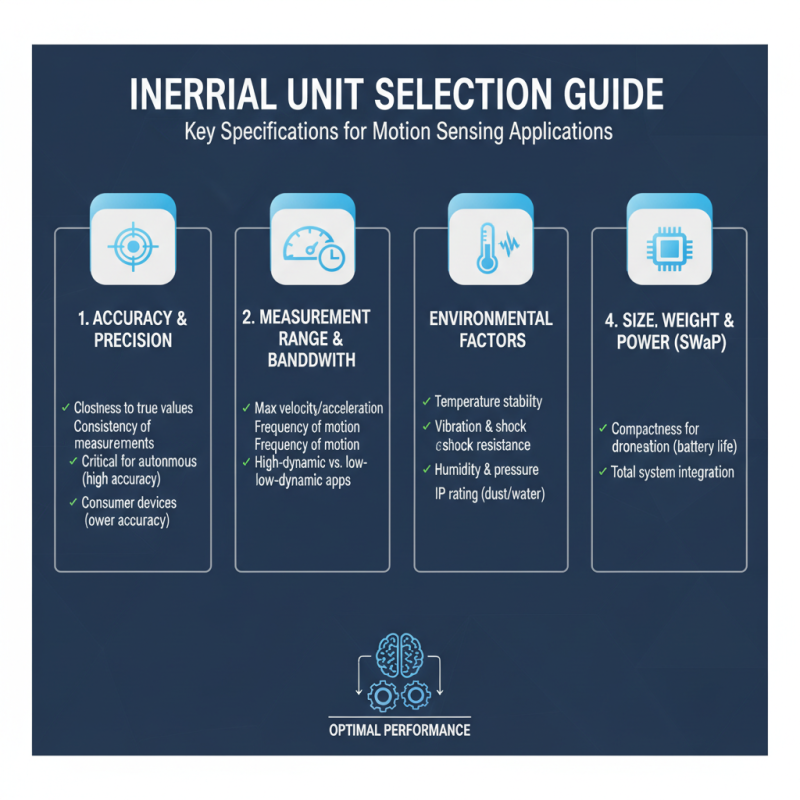
When selecting an inertial unit for motion sensing applications, several key specifications should be carefully considered to ensure optimal performance. One of the most critical specifications is the sensor's accuracy and precision. Accuracy refers to how close the measured values are to the true values, while precision indicates the consistency of measurements under the same conditions. Depending on the application, different levels of accuracy may be required; for instance, high-end applications such as autonomous vehicles demand higher accuracy compared to consumer-grade devices.
Another important aspect to evaluate is the sensor's range of motion. This encompasses not only the extent of angular and linear measurements but also how well the sensor functions across these ranges. A broader range of motion can be beneficial in applications that require complexity in movement patterns, such as robotics or virtual reality. Additionally, the sampling rate or frequency of data capture is vital for applications that depend on real-time responsiveness. Higher sampling rates enable the capture of rapid movements, resulting in smoother data streams for analysis.
Lastly, consider the unit's power consumption and durability. For battery-operated devices, low power consumption is essential to maximize operational lifespan. Meanwhile, the inertial unit should also be robust enough to withstand environmental challenges, such as temperature variations or mechanical shocks, especially in industrial or outdoor settings. Balancing these specifications effectively will guide you in choosing the right inertial unit tailored to your specific motion sensing needs.
Comparative Analysis: MEMS vs. FOG vs. RLG Inertial Sensors
When selecting the appropriate inertial unit for motion sensing, understanding the differences between MEMS, FOG, and RLG inertial sensors is essential.
Micro-Electro-Mechanical Systems (MEMS) sensors stand out for their compactness and cost-effectiveness, making them suitable for consumer electronics and applications where space and budget are significant constraints. Their small size allows for easy integration into various devices, and they typically offer sufficient accuracy and performance for many consumer-oriented applications. However, MEMS sensors may experience limitations in terms of precision and stability in more demanding environments.
On the other hand, Fiber Optic Gyroscopes (FOG) provide exceptional precision and stability, making them ideal for applications where high accuracy is critical, such as aerospace and military systems.
FOGs utilize the properties of light to measure rotation, offering a lack of moving parts which contributes to their reliability and low maintenance needs. However, they tend to be bulkier and more expensive than MEMS sensors. Rotating Laser Gyroscopes (RLG) also deliver high levels of accuracy and are commonly used in navigation systems; they excel in applications requiring resilience to extreme conditions but share similar drawbacks to FOGs regarding size and cost.
Ultimately, choosing the right inertial sensor hinges on evaluating the specific requirements of your application, including accuracy, size, weight, and budget. Each type has its unique advantages and challenges, making it imperative to align the technology with the intended use to achieve optimal performance.
Industry Applications: Choosing the Right Inertial Unit for Specific Needs
In the rapidly evolving field of motion sensing technology, selecting the right inertial unit is crucial for meeting specific industry demands. Various sectors, including automotive, aerospace, and robotics, require specialized inertial measurement units (IMUs) to ensure precise motion tracking. For instance, the automotive industry is increasingly integrating IMUs into advanced driver-assistance systems (ADAS), where accuracy and reliability directly impact safety. According to a report by MarketsandMarkets, the automotive IMU market is projected to grow from USD 1.2 billion in 2021 to USD 2.5 billion by 2026, highlighting the rising importance of tailored inertial systems in enhancing automotive safety and efficiency.
In aerospace applications, inertial units play a critical role in navigation and control systems. The demand for high-performance IMUs that can withstand extreme conditions is rising, driven by increasing investment in both commercial and military aerospace projects. The Research and Markets report indicates that the aerospace IMU market is expected to see a compound annual growth rate (CAGR) of 7.4% from 2022 to 2029. When choosing an inertial unit for aerospace, factors such as size, weight, and power consumption are paramount due to the stringent requirements of aircraft and spacecraft operations.
Furthermore, the robotics industry is witnessing a surge in the adoption of IMUs for applications ranging from automation to autonomous vehicles. The Robotics Business Review suggests that the integration of IMUs in robotic systems improves motion control and precision, essential for complex tasks in manufacturing and logistics. Selecting the right inertial unit for these applications involves evaluating specifications like sensitivity, range, and the ability to filter out noise from environmental disturbances.
Cost-Benefit Analysis of Various Inertial Units for Budget Planning
When selecting an inertial unit for motion sensing applications, understanding the cost-benefit ratio is critical for effective budget planning. According to a report by MarketsandMarkets, the global inertial measurement unit (IMU) market is projected to reach $19.2 billion by 2024, growing at a CAGR of 12.8% from 2019. This growth highlights the increasing reliance on advanced motion sensing technologies across various sectors, including robotics, automotive, and consumer electronics. Companies must carefully evaluate their specific needs against the investment required for high-precision inertial units, as these can vary substantially in cost and capabilities.
Different inertial units vary not only in price but also in performance parameters like accuracy, responsiveness, and integration capabilities. For instance, low-cost MEMS (Micro-Electro-Mechanical Systems) gyroscopes might be suitable for simple applications, but they often lack the precision required for high-end robotics or aerospace applications. According to a study published in the IEEE Journal of Selected Topics in Signal Processing, while MEMS units can cost as little as $10 each, higher-end units with better accuracy and stability can reach prices upwards of $500. Therefore, a detailed cost-benefit analysis—including long-term savings in terms of maintenance and potential performance gains—is essential for determining which inertial unit aligns best with an organization’s motion sensing needs and budget constraints.
Evaluating Performance Metrics: Accuracy, Range, and Drift in Inertial Units
When selecting an inertial unit for motion sensing, assessing performance metrics such as
accuracy, range, and drift is essential for meeting specific application
requirements. Accuracy is a critical factor, as it determines how closely the sensor's readings
align with the actual movement or orientation of the object being measured. According to industry reports, high-precision
inertial measurement units (IMUs) can achieve an accuracy level of up to 0.1 degrees
for angular position and 0.01 meters for linear displacement. This precision is vital
in fields such as aerospace and robotics,
where even the slightest error can lead to significant operational challenges.
The range of an inertial unit refers to its ability to detect a wide variety of motion and positions. A robust inertial
system should offer a broad operational range, enabling it to function effectively in various environments and applications.
For instance, many high-performance units can maintain accurate readings across a dynamic range of ±2000 degrees per second
for gyroscope measurements and ±16g for accelerometers. It’s crucial to ensure that
the chosen unit suits the intended application, as exceeding specified limits can result in data saturation and compromised performance.
Drift is another performance metric that challenges motion sensing systems, particularly in long-duration applications.
Drift refers to the gradual deviation of a sensor’s output from its true value over time, often caused by biases in the
sensor readings. Recent studies indicate that advanced units can minimize drift effects with techniques such as sensor
fusion and real-time calibration, maintaining operational reliability even
over extended periods. Understanding these metrics allows users to make informed decisions and choose the right inertial
unit tailored to their motion sensing needs.
Future Trends in Inertial Sensor Technology and Their Implications
As the demand for advanced motion sensing capabilities continues to rise across various industries, the future of inertial sensor technology is poised for transformative developments. According to a recent report by MarketsandMarkets, the inertial sensors market is expected to grow from USD 8.6 billion in 2021 to USD 13.4 billion by 2026, demonstrating a compound annual growth rate (CAGR) of 9.4%. This growth is driven by the increasing integration of inertial sensors in automotive applications, consumer electronics, and the burgeoning field of augmented reality.
One of the most promising trends in inertial sensor technology is the miniaturization and enhancement of sensor accuracy. Emerging microelectromechanical systems (MEMS) technology is enabling the production of smaller, cost-effective sensors that offer higher precision and reliability. A study published in the Journal of Micromechanics and Microengineering highlights that advancements in sensor fusion algorithms are also improving performance by combining data from multiple sensors for more accurate motion detection. This trend reflects the ongoing shift toward more compact devices in consumer electronics, as well as the growing need for precise motion tracking in robotics and autonomous systems.
Furthermore, the integration of artificial intelligence (AI) with inertial sensors is set to revolutionize their functionality. A report from ResearchAndMarkets indicates that AI can significantly enhance the data processing capabilities of inertial sensors, allowing for real-time analysis and decision-making. This capability is particularly relevant in industries such as healthcare, where wearable technology can utilize AI-enhanced inertial sensors for remote patient monitoring and activity tracking, thus paving the way for more proactive healthcare solutions.
How to Choose the Right Inertial Unit for Your Motion Sensing Needs? - Future Trends in Inertial Sensor Technology and Their Implications
| Inertial Sensor Type |
Key Features |
Typical Applications |
Future Trends |
| MEMS IMU |
Low power, compact size, cost-effective |
Consumer electronics, robotics, AR/VR |
Increased accuracy, integration with AI |
| Fibre Optic Gyroscope (FOG) |
High precision, reliable performance |
Aerospace, marine navigation, military |
Miniaturization, enhanced sensitivity |
| Quartz Gyroscope |
Robustness, good temperature stability |
Industrial automation, automotive systems |
Advancements in signal processing, increased integration |
| Ring Laser Gyroscope |
High sensitivity, no moving parts |
Civil aviation, space exploration |
Cost reduction, scaling down for smaller platforms |
Enhancing UAV Performance with the TBSD60: A Comprehensive Overview of Lightweight Inertial Navigation Sensors
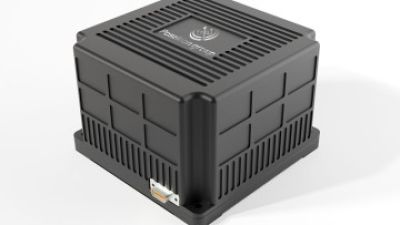
In the rapidly evolving landscape of unmanned aerial vehicles (UAVs), the demand for high-performance inertial navigation systems has never been more critical. Lightweight inertial navigation sensors play a pivotal role in enhancing UAV performance, especially in complex environments. The Poseidon TBSD60 stands out as a remarkable solution, integrating digital closed-loop technology with advanced fiber optic gyroscopes (FOG). This system offers unparalleled zero-bias stability ranging from 0.01°/h to 0.05°/h, ensuring accurate positioning and navigation under various conditions.
Designed with a compact footprint of 112mm x 112mm x 77.5mm, the TBSD60 fits seamlessly into UAV architectures without adding unnecessary weight. Its robust construction is tailor-made for harsh environments, providing rapid startup capabilities and an extensive dynamic range. According to industry reports, this sensor's exceptional resistance to vibration and shock is essential for maintaining performance during the unpredictable maneuvers typical of UAV operations. With applications extending beyond aerial vehicles to autonomous systems and industrial automation, the TBSD60 is a crucial asset for any precision navigation requirement.
Recent studies highlight the importance of high-performance inertial sensors in improving operational efficiency and accuracy within the UAV sector. As UAV technology advances, the integration of such sophisticated navigation solutions will become increasingly vital. Therefore, the Poseidon TBSD60 exemplifies the advancements in sensor technology that are necessary for the future of UAV navigation, enabling enhanced performance and reliability across diverse operational scenarios.
FAQS
: Industries such as automotive, aerospace, and robotics use IMUs to ensure precise motion tracking tailored to their specific needs.
IMUs are integrated into advanced driver-assistance systems (ADAS) in the automotive sector, where their accuracy and reliability are critical for safety.
The automotive IMU market is projected to grow from USD 1.2 billion in 2021 to USD 2.5 billion by 2026.
Size, weight, and power consumption are crucial factors for selecting inertial units in aerospace due to the stringent operational requirements.
The aerospace IMU market is expected to have a compound annual growth rate (CAGR) of 7.4% from 2022 to 2029.
IMUs enhance motion control and precision in robotic systems, making them essential for complex tasks in automation and logistics.
Companies should evaluate their specific needs against the investment required, along with factors like performance parameters, accuracy, and responsiveness.
Low-cost MEMS gyroscopes can be as inexpensive as $10, while high-end inertial units may exceed $500, reflecting their differing capabilities and precision.
A detailed cost-benefit analysis helps organizations determine which inertial unit best aligns with their motion sensing needs and budget constraints, considering long-term savings and performance gains.
The global IMU market is expected to reach $19.2 billion by 2024, showing a reliance on advanced motion sensing technologies across various sectors.
Conclusion
Choosing the right Inertial Unit for motion sensing applications involves a comprehensive understanding of the various types and technologies available, including MEMS, FOG, and RLG sensors. Key specifications such as accuracy, range, and drift are critical in evaluating performance metrics to ensure optimal functionality for specific industry needs.
Additionally, a cost-benefit analysis is essential for budget planning, helping to align the chosen Inertial Unit with specific project requirements and financial constraints. As the field of inertial sensor technology evolves, staying informed about future trends and innovations will further empower users to make informed decisions that enhance their motion sensing capabilities.

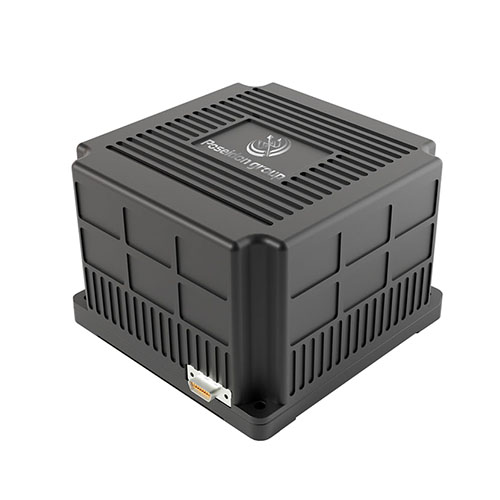 TBSD60
 BSD120
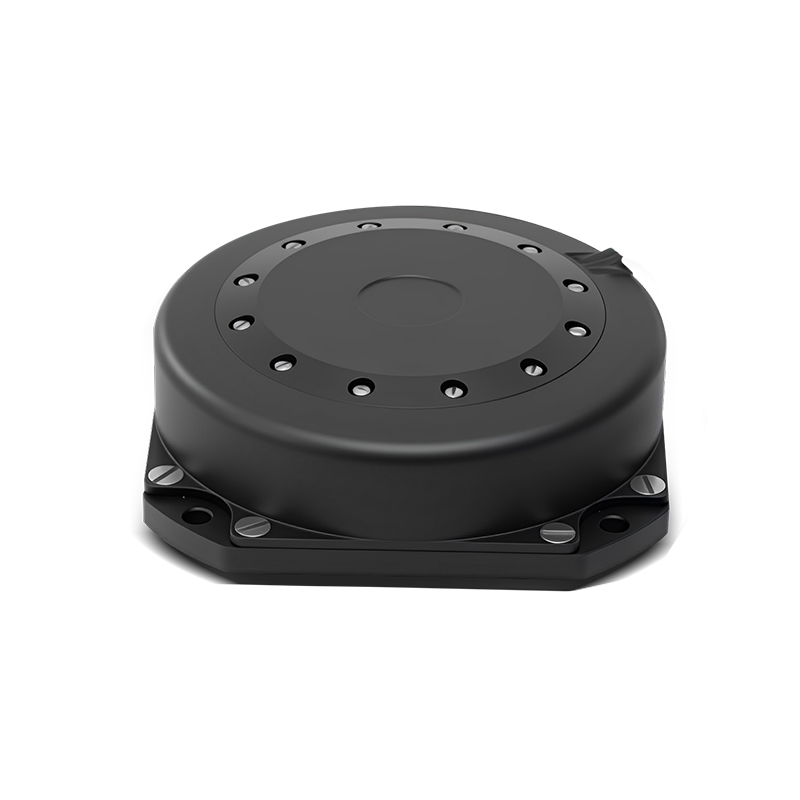 BSD98
BSD98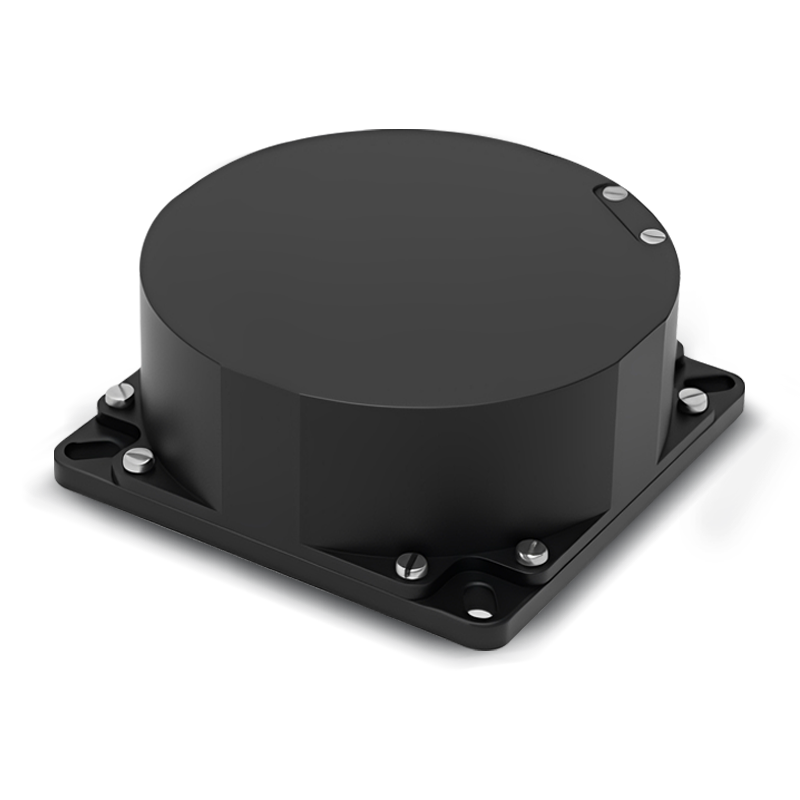 BSD70
BSD70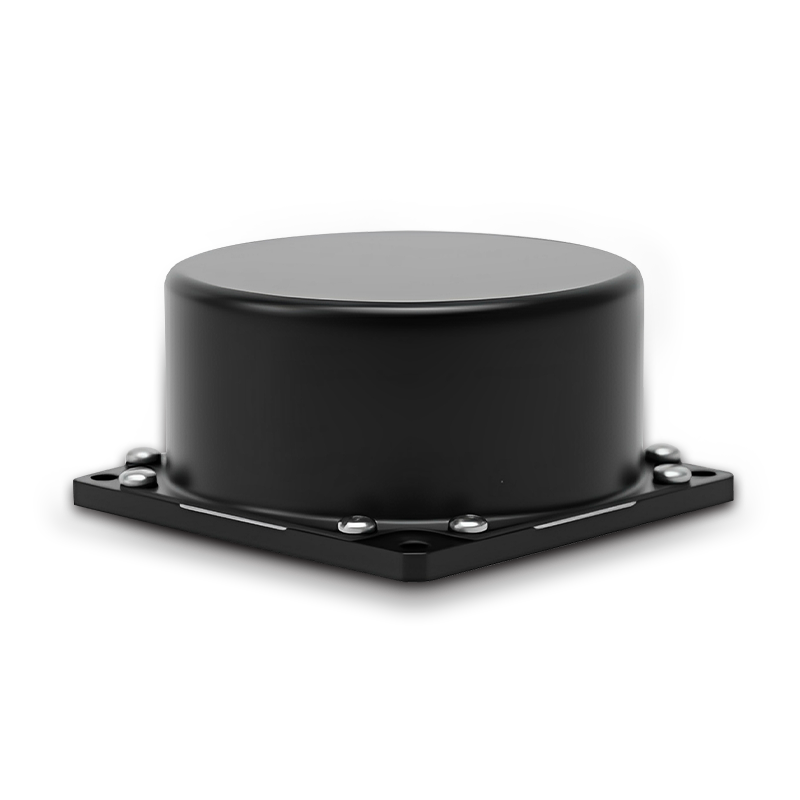 BSD60
BSD60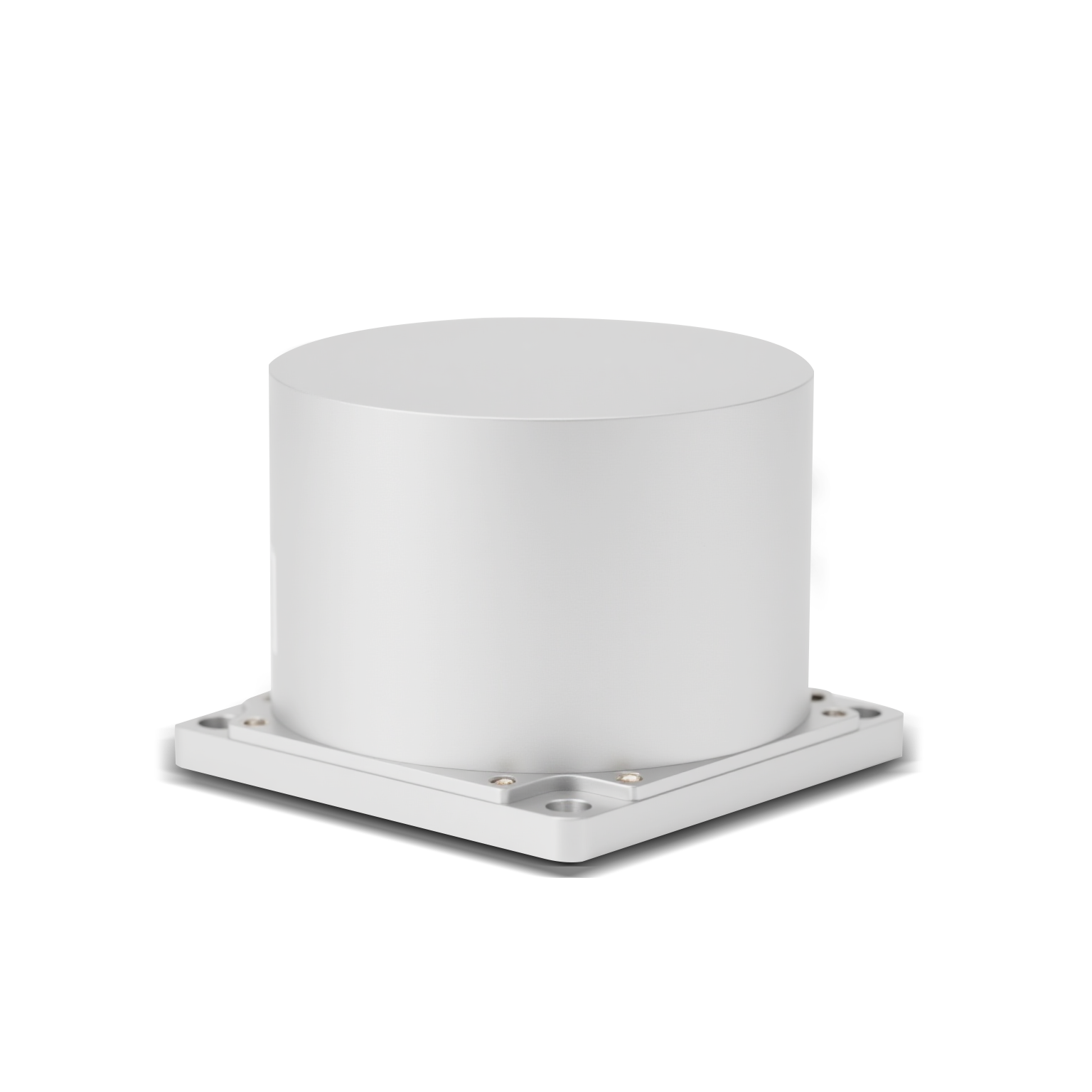 BSD50
BSD50 BSD217
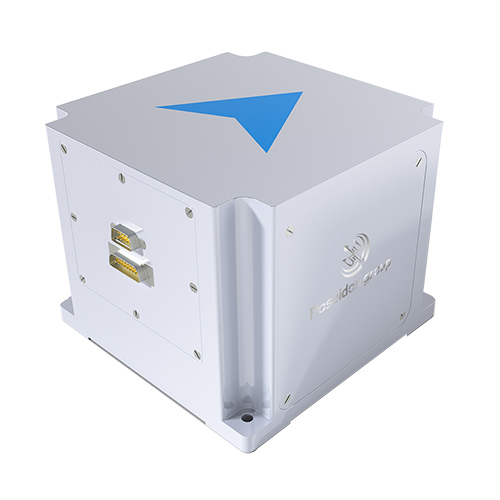 INS1700
 INS970
 INS570
 INS170
 SLA-4B1L1-65
 SLA-4B1L1-130
 SLA-8B1L1-165
 DIVER 101
 DIVER 102
 DIVER 103
 DIVER 104
 DIVER 105
 DIVER 106
 SLLR3000
 SLLR905
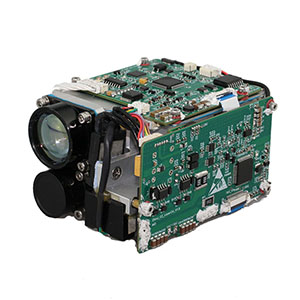 SLLD25
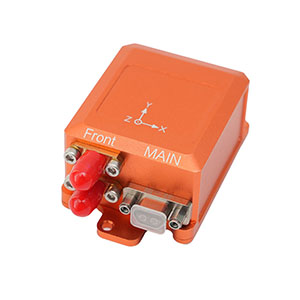 160M
160M 170M
170M SLFC-70
 SLAF280
 MR360
MR360